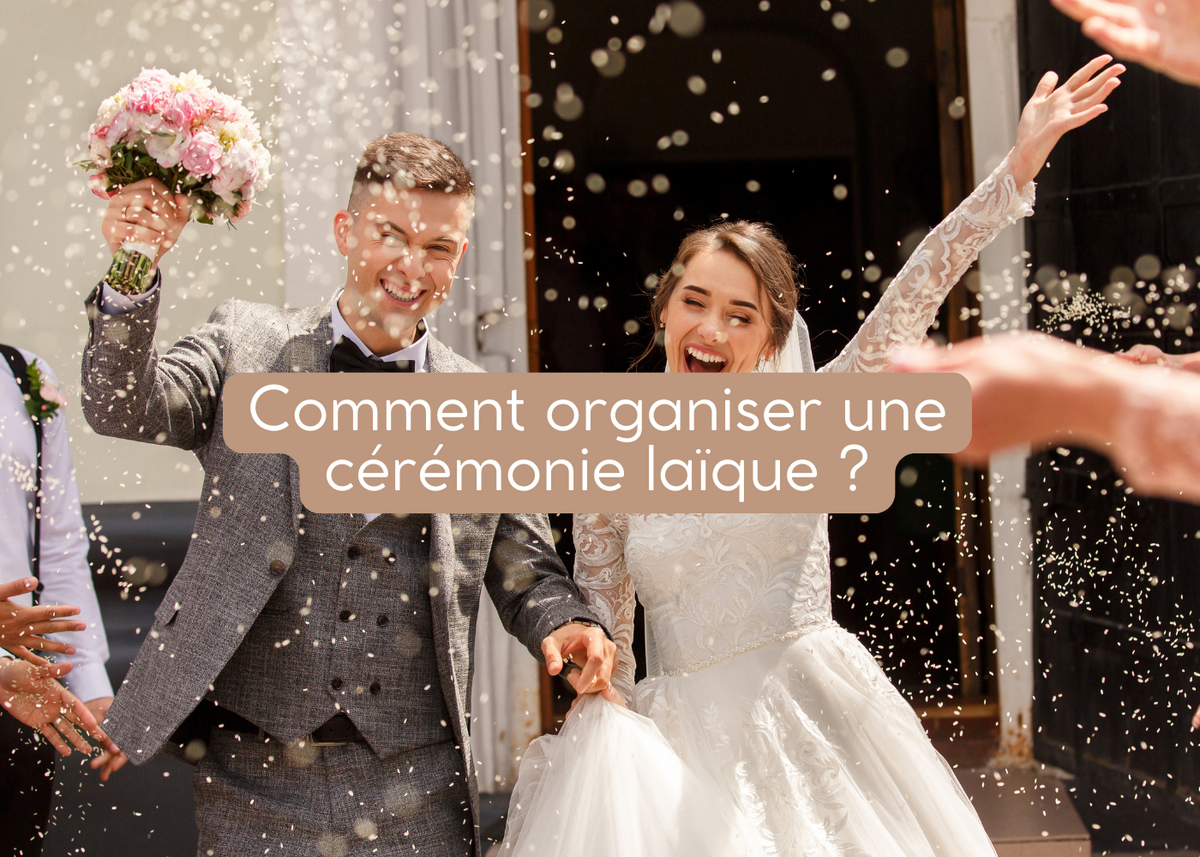
White wedding dresses have become an essential tradition, but why did this color become the norm? To answer this question, we will explore its historical origins, the evolution of the wedding dress through the centuries, its societal and religious implications, and the influence of popular culture and the media on this tradition.
The Historical Origins of the White Wedding Dress

Before White: A Kaleidoscope of Colors
Before the emergence of the white wedding dress, women wore dresses of different colors on their wedding day. Colors were often chosen based on the trends of the time, geographical region, or social class. Noble brides generally opted for dresses in rich, vibrant colors, while brides from less affluent classes wore dresses in more subdued and natural tones.
Blue was particularly popular in medieval Europe due to its religious symbolism. It represented purity and fidelity, two qualities highly prized in a future wife. Red dresses were also common in certain cultures, such as China, where the color symbolizes luck and prosperity.
The Influence of Royalty and High Society
The choice of white for wedding dresses dates back to 1840, when Queen Victoria of England married Prince Albert. Queen Victoria chose to wear a white satin dress adorned with handmade lace for her wedding. This decision marked a turning point in the history of bridal fashion and launched the trend of white wedding dresses.
Queen Victoria was not the first royal woman to choose a white dress for her wedding, but her influence was decisive in popularizing the color. Members of royalty and high society quickly adopted this trend, making white the color of choice for wedding dresses. Brides from lower social classes also began to adopt this tradition, aiming to follow fashion and assert their social status.
The Cultural and Social Symbols of the Color White
The choice of white for country wedding dresses is not solely linked to Queen Victoria's influence. The color white is often associated with purity, innocence, and virginity in many cultures. In the context of marriage, these qualities are traditionally valued in the bride. White also represents novelty and beginnings, two key concepts for a couple embarking on a new life together.
From a societal perspective, the color white has also taken on a symbolic dimension. Wearing a white dress on your wedding day became a sign of social status and a way to assert one's belonging to a certain group. Today, this tradition is widely spread and accepted, even though more and more women choose to break with this norm by opting for wedding dresses in varied colors and styles.
The Evolution of the Wedding Dress Through the Centuries

The Turn of the 19th Century: A Paradigm Shift
At the turn of the 19th century, the white wedding dress became increasingly popular thanks to Queen Victoria's influence and the spread of photography. Wedding photos from the era show brides wearing white dresses adorned with lace and embroidery. Women from the bourgeoisie and aristocracy particularly adopted this trend, making white the essential color for wedding dresses.
The 19th century also saw the emergence of the fashion industry and ready-to-wear clothing, which contributed to the popularization of the white wedding dress. Tailors and fashion designers began to offer wedding dresses in varied styles, but white remained the dominant color. Fashion magazines and mail-order catalogs also played an important role in spreading this trend.
The Influence of the World Wars on Bridal Fashion
The two World Wars had a significant impact on bridal fashion and the tradition of the white wedding dress. During these periods of conflict, resources were scarce, and women often had to make do with simple and modest wedding dresses. White dresses were less common, as white fabric was difficult to obtain and maintain.
Despite these constraints, the white wedding dress did not disappear. Women continued to wear white dresses when they could, and this tradition persisted after the end of the wars. The return to peace and prosperity also favored the emergence of new trends in bridal fashion, such as dresses with sleek shapes and modern lines.
From the Post-War Era to the Modern Age: Innovation and Diversification
Since the end of the 20th century and the beginning of the 21st century, bridal fashion has undergone significant diversification and evolution. Fashion designers began to offer wedding dresses in varied styles, and women have more and more choices in terms of color and shape. The white wedding dress remains the norm, however, but many brides today choose dresses in pastel colors or with original patterns.
Globalization and cultural exchanges have also contributed to the adoption of wedding dress traditions and styles from other countries. Today's brides can thus draw inspiration from traditional Indian, Japanese, African, or South American wedding dresses to create a unique and personalized outfit.
The Societal and Religious Implications

The Role of the Church and Religious Meanings
In certain religions, the color white holds particular importance, as it symbolizes purity and spirituality. In the Catholic tradition, for example, white is associated with the Virgin Mary and represents purity and innocence. The same applies in the Protestant tradition, where white is considered a sacred color and is often used during religious ceremonies, such as baptisms and weddings.
However, the choice of a white wedding dress is not solely linked to religious considerations. Brides often choose to wear a white dress for cultural and traditional reasons. In certain regions of the world, brides wear dresses in bright colors, such as red or green, which also have religious and symbolic significance.
Marriage and Social Status: The Symbolic Dimension
The choice of a white wedding dress can also be interpreted as a sign of social status and belonging to a certain group. In Western societies, marriage is often perceived as a ceremony that celebrates love, but also as a social event that allows families to come closer and assert their status. The white wedding dress has thus become a symbol of success and prestige, which women wish to display on their wedding day.
The popularization of the white wedding dress has also had an impact on the perception of marriage in society. Women are often judged based on their outfit and appearance on their wedding day, and the white dress has become a symbol of conformity and respectability. Brides who choose to break with this tradition are sometimes perceived as rebellious or non-conforming to social norms.
Modernity and Tradition: Balance and Conflict
The choice of a white wedding dress illustrates the conflict between modernity and tradition that characterizes contemporary society. On one hand, women are increasingly free to choose their wedding outfit and break free from traditional constraints. On the other hand, they are confronted with social and cultural expectations that urge them to respect certain norms and traditions.
This conflict between modernity and tradition is also reflected in the evolution of bridal fashion. Fashion designers offer wedding dresses in varied styles, but the color white remains the dominant norm. Brides who wish to assert themselves and express their personality can thus opt for dresses in original colors and patterns, while respecting the traditional codes of marriage.
The White Dress in Popular Culture and the Media

Fashion Icons and Famous Weddings
Celebrity weddings and fashion icons often have a major impact on wedding dress trends. Women draw inspiration from the outfits worn by famous personalities on their wedding day, and these dresses often become references in bridal fashion. Royal weddings, in particular, attract the attention of the media and the general public, and the wedding dresses worn by princesses and queens are often imitated and copied.
Celebrity weddings are also an opportunity for fashion designers to present their creations and showcase their talent. The wedding dresses worn by actresses, singers, or models on their wedding day are often the result of a collaboration between the bride and the designer, and they reflect the trends and innovations in bridal fashion.
The Impact of the Media and Films on Trends
The media and films play an important role in spreading wedding dress trends. Fashion magazines, television shows, and films feature weddings and wedding dresses that influence women's choices on their wedding day. Romantic films, in particular, often present idealized weddings and sumptuous wedding dresses, which arouse the admiration and envy of female viewers.
Social media and wedding blogs are also sources of inspiration for brides in search of the perfect dress. Women share their experiences and advice on forums and image-sharing platforms, and they draw inspiration from the outfits worn by other brides to create their own wedding dress.
The Wedding Dress in Literature and Art
The white wedding dress holds an important place in literature and art, where it symbolizes love, purity, and beauty. Novels and poems often describe brides dressed in white, and painters depict wedding scenes where women wear white dresses with elegant and refined shapes.
Art and literature reflect the evolutions of bridal fashion and trends in wedding dresses. Works of art and literary texts thus bear witness to changes in the styles and colors of wedding dresses, and they constitute a source of inspiration for fashion designers and brides in search of original ideas.
Future Perspectives: Trends and Innovations
Wedding dress trends are constantly evolving, and the white wedding dress is no exception. Fashion designers continue to innovate and offer dresses in varied colors and styles, and brides are increasingly free to choose their outfit according to their tastes and personality.
Sustainability and eco-responsibility are also important issues for the future of bridal fashion. Fashion designers are striving to offer ethical and environmentally friendly wedding dresses, using recycled materials and eco-responsible production techniques. Brides are increasingly sensitive to these issues and are ready to make informed and responsible choices for their wedding.
Ultimately, the white wedding dress is the result of a long history and a tradition deeply rooted in Western culture. Despite the evolutions of bridal fashion and societal changes, the white dress remains a strong symbol of love and commitment, and it will undoubtedly continue to hold an important place in future weddings. Also discover Why the groom should not see the wedding dress?